

Blur & Unblur AI
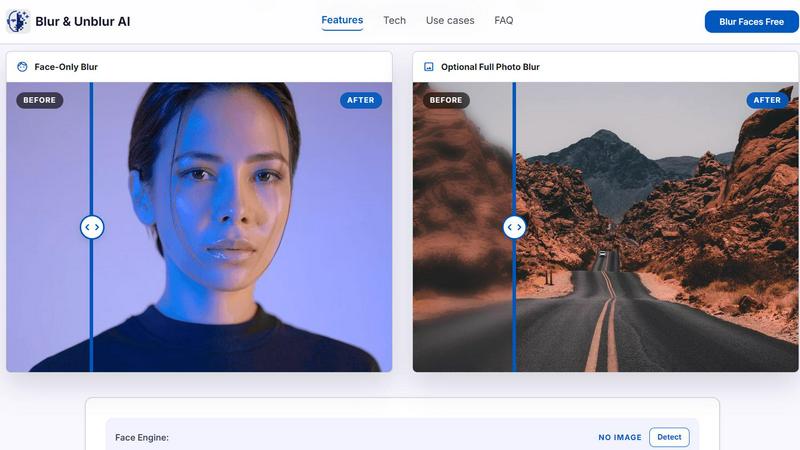
Blur selected faces locally in your browser, correct detection with a lasso, adjust strength, and export a clean PNG.
Categories
Pricing
About Blur & Unblur AI
Blur & Unblur AI offers an image privacy workflow built around keeping the source photo on the device. Load an image and the browser runs face detection, renders editable masks, and previews blur on the canvas. You can remove a false detection or add a lasso mask for a face the detector did not find.
Local editing has a device limit
The page says the source photo is not sent to an upload or processing server. That makes the workflow relevant for private edits, but it does not remove the need to check browser performance: very large camera files may exceed available device memory or slow down. Resize them if needed. The editor accepts JPG, PNG, and WebP, and exports a clean PNG without selection guides. Face Blur is the main mode; Full Blur and Face Unblur are also listed. Inspect the final canvas before downloading, especially when every face needs to be covered.
Features
- Face detection and editable masks run in the browser.
- Selective blur can be adjusted in a live preview.
- Manual lasso marking and false detection removal.
- PNG export without editor overlays.
Use cases
- Redact identities without sending a source photo to a processing server.
- Handle missed faces with a manually drawn mask.
- Produce face-blurred versions of event or profile photos for sharing.
Frequently asked questions
Is the image processed online on a server?
The page says detection, editing, and export run locally in your browser, without uploading the source photo to a processing server.
What if my image makes the editor slow?
Very large images may be limited by device memory; resize the file if performance becomes slow.
Does it support manual masks?
Yes. Lasso mode lets you draw a mask around a face missed by detection.
Similar products
Compare alternatives
Text Photo AI
Edit text in JPG and PNG images with AI, or add captions for free in your browser and download a PNG.
Goshortsai
Goshortsai creates AI video from text and images, with motion control, preset effects, and tools for refining short clips.
AI Photo Editor
Make photo edits with written prompts, using dedicated tools for common fixes and a Studio with several AI models.
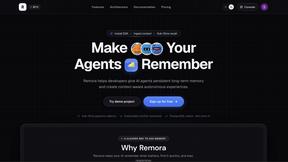
Remora
Remora adds persistent, typed memory to AI agents through PostgreSQL and pgvector, with asynchronous ingestion and ranked context retrieval.
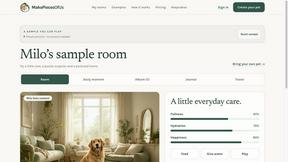
MakePieces OfUs
MakePieces OfUs creates a pet room from a photo and adds free photo puzzles, journaling and albums, with paid options for daily stories.
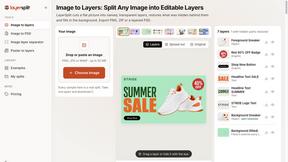
LayerSplit
LayerSplit separates flattened designs into named, positioned layers and fills the background behind each extracted element.
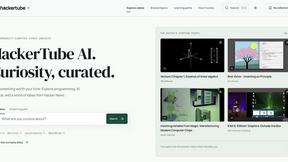
HackerTube AI
Search Hacker News video recommendations by topic, creator, or title, and explore technical talks, courses, and tutorials with discussion context.
Metal Font Generator
Create dimensional metal lettering online with four finishes and controls for angle, extrusion, lighting, and spacing.