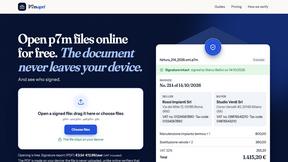
P7mapri
Open signed P7M files in your browser, inspect signer details and check technical signature validity without uploading the document.

Open signed P7M files in your browser, inspect signer details and check technical signature validity without uploading the document.
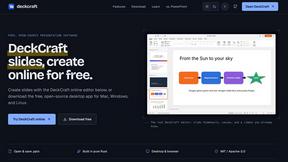
DeckCraft is free, open-source presentation software for creating and presenting slides in a browser or desktop app on macOS, Windows, and Linux.
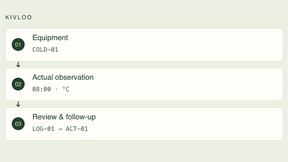
Kivloo helps teams complete daily workplace and food safety checks on a phone, with searchable records, photos and readings for managers.
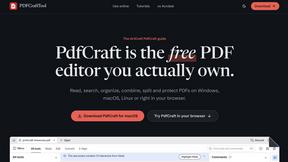
PdfCraft is a free, open-source PDF reader and editor for desktop systems and browsers, with private local processing and everyday page tools.
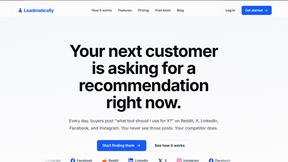
Leadmatically turns matching social posts into scored leads, with optional account-based outreach and human-reviewed follow-up.

GigUp watches Upwork searches and alerts freelancers when new jobs match their public profile, with explanations and proposal drafts they control.

Greatooly helps iPhone users discover everyday apps through categories, curated picks, feature details, pricing notes, and official sources.

Safe Outreach helps LinkedIn users inspect extension detection signals and session-data handling before choosing browser-based outreach tools.
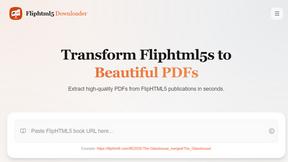
FlipHTML5 Downloader turns FlipHTML5 publications into high-quality PDFs, with a discovery page for browsing popular flipbooks.
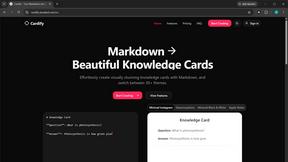
Turn Markdown notes into knowledge cards with 30+ themes, live previews, image search, and batch export for learning, teaching, or sharing.

A free live timer for exact times, dates and durations, using the device's clock with shortcut pages for common countdowns.
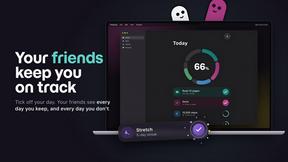
TinyFines is a social habit tracker for friends, with optional informal fines and health data tracking across devices.
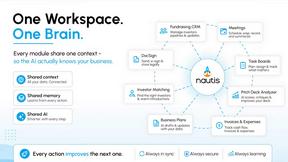
Nautis is a shared startup workspace where an AI Chief of Staff prepares operational and fundraising work from company context.
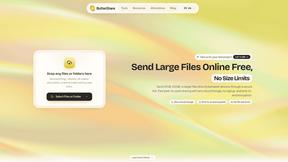
Move large business files through encrypted direct browser transfers, or use expiring CloudLinks when clients need to download later.
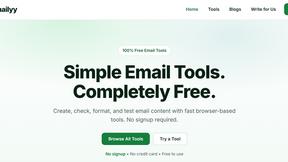
Emailyy offers no-signup email utilities in the browser, from signature and subject line tools to HTML previews, word counts, and header inspection.
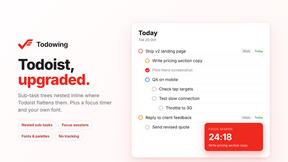
Todowing adds task focus sessions, time estimates, notes and subtasks to Todoist's Today view in Chrome, with optional calendar events.
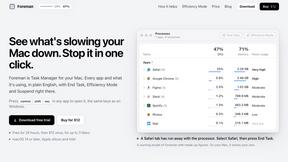
Foreman gives Mac users a Windows-style task manager with readable process names, performance history, and controls for background apps.

Capture web text, screenshots, and selected elements, then save individual clips or batches to Notion, Feishu, Obsidian, or local files.

TroveKey brings keyboard-driven tab, bookmark and history search together with browser actions and a private local content library.
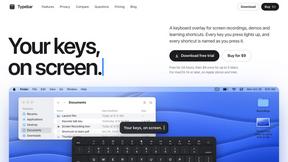
Typebar is a Mac keyboard overlay that names app shortcuts and highlights pressed keys for software demos, tutorials, and screen recordings.
CIOOffice: the CIO-Software is a modern, cloud-based platform designed specifically for Chief Information Officers, IT managers, and digital leaders. It falls within the productivity and management category, providing a centralized solution for managing IT strategies, budgets, projects, and vendor relationships. This comprehensive tool enhances transparency, streamlines processes, and supports informed decision-making across IT operations. Users often seek alternatives to CIOOffice for various reasons, including pricing considerations, specific feature requirements, or compatibility with existing platforms. When selecting an alternative, it is crucial to evaluate the features that align with organizational needs, the scalability of the solution, ease of integration with current systems, and overall user experience. A thorough assessment ensures that the chosen software effectively supports IT management and business objectives.
CIOOffice is a centralized cloud platform designed for CIOs to manage IT strategy, budgets, projects, and vendor relationships.
CIOOffice is tailored for CIOs, IT managers, and digital leaders within enterprises and mid-sized companies.
CIOOffice is a subscription-based service, and pricing details can be obtained from the vendor.
The main features include IT strategy management, budget management, project portfolio management, and vendor & SaaS management.