
FoxyLab
FoxyLab makes product videos and banner sets from chat prompts, with website context and API access.

FoxyLab makes product videos and banner sets from chat prompts, with website context and API access.

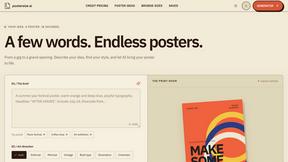
PosterSize pairs a poster format catalogue with AI generation to help users move from size research to a visual draft.
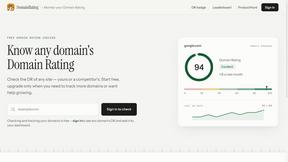
Look up and track Domain Rating for websites, with score history and an embeddable badge for SEO teams and site owners.

Launchyourgem helps makers launch and discover products and AI tools through listings, upvotes, comments, product blogs, and rankings.
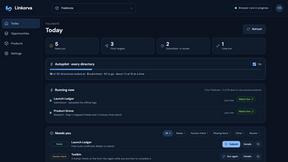
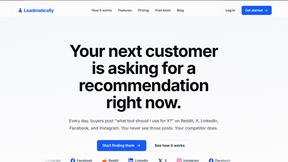
Leadmatically turns matching social posts into scored leads, with optional account-based outreach and human-reviewed follow-up.

Safe Outreach helps LinkedIn users inspect extension detection signals and session-data handling before choosing browser-based outreach tools.
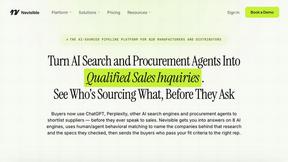
Nevisible connects AI supplier discovery to lead qualification, sales routing, and visibility reporting for manufacturers and distributors.

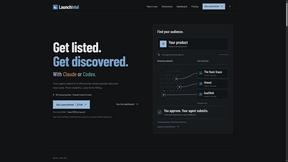
LaunchIntel is a local toolkit that lets browser agents follow tested directory guides and helps teams track software launch submissions.

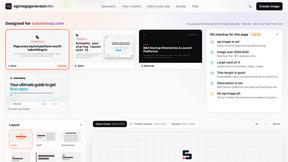
Create editable social preview images from a URL, with AI that reads the page and picks up its branding for Open Graph and social sharing.
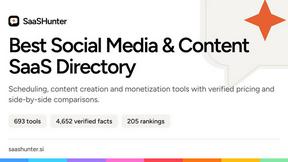
SaaSHunter is a social and content software directory with source linked facts, public scorecards and computed category rankings.


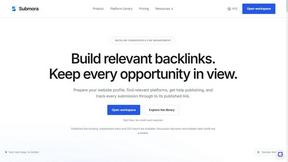
BacklinkBot manually submits startups to relevant directories and provides a ranked free list, a submission tracker, and links to live listings.
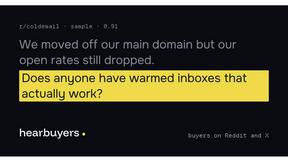
Discover buyer conversations on Reddit and X with intent scores, key excerpts, and reply drafts for team review.
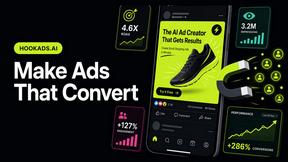
HookAds collects ad prompts, hook frameworks, creative analysis, and free generators to help marketers plan advertising concepts.
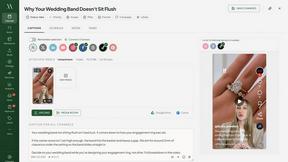
Maeve Social brings publishing, paid campaigns, social conversations and client reporting together for teams managing multiple channels.
The useful comparison is between an integrated workflow and a more open-ended writing setup. Compare how much guidance your team wants for each task, whether brand context can be reused, and how the product handles editing after generation. Teams that need only occasional copy cleanup can compare rewriting-focused tools; teams managing many brands should examine profile limits and network options.
It may suit teams that already have their own prompt process and do not need task-specific marketing forms.
Compare the number of separate brand contexts each option supports and how easily users work across them.