

Alternatives to Self-Healing Integrations
Plumbed.io offers self-healing integrations that automate the entire lifecycle, ensuring seamless and reliable connections for your enterprise.
Explore 20 alternatives to Self-Healing Integrations. Compare features, pricing, and find the best fit for your needs.

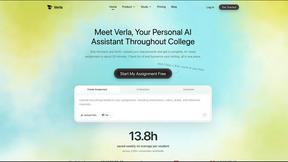
Verla AI
Verla is an AI academic assistant for university and college students, combining AI essay writing, academic research, AI detection, AI humanization

AIPetGen
Turn a photo of your pet into new pictures or short animations with AI. Sign in for a free 1K image daily.


GetYouTubeTranscript
Free YouTube transcripts on the web, a Chrome extension, and an API + MCP server so AI assistants can read YouTube.

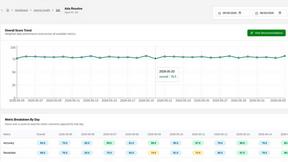

ViduAI
ViduAI creates consistent videos from text, images, references, and first or last frames.





benchmark.directory
The tool for the job, without the sales pitch. 146 AI tools we paid for, set up and actually used before listing them.
saasgrow.ai
A curated directory of SaaS growth tools. Every listing is screened and scored before it goes live — no pay-to-rank, no filler.
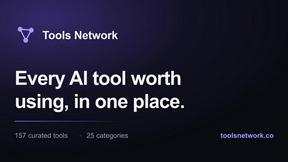
Tools Network
Tools Network is a curated directory that brings the internet's best AI tools together in one organized, easy-to-navigate place.


Built2WinWeb AI Strength Scanner
Custom PHP websites, AI Indexing Pack ($599 one‑time), and WebAgentScan SaaS ($9/mo). MCP, A2A, llms.txt, full ownership.
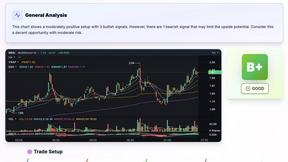
SnapPChart
SnapPChart grades a trading chart screenshot A+ to F, with an entry, stop, targets, and risk/reward. Works on stocks, forex, crypto, futures.


About Self-Healing Integrations Alternatives
Self-Healing Integrations is an advanced integration solution designed to seamlessly connect various systems through an agentic platform. This innovative technology falls within the AI Assistants category, utilizing artificial intelligence to manage the integration lifecycle, ensuring that connections remain operational and efficient over time. With traditional integration methods, businesses often face challenges related to maintenance, updates, and monitoring post-launch, leading to frustration and increased costs. Users often seek alternatives to Self-Healing Integrations due to a variety of reasons, including pricing, specific feature sets, or unique platform needs that may not be fully addressed by existing solutions. When evaluating potential alternatives, it’s crucial to consider factors such as scalability, ease of use, integration capabilities with existing systems, and the level of ongoing support provided. A thorough analysis of these elements can help organizations choose the right solution that aligns with their operational requirements and budget constraints.
FAQs about Self-Healing Integrations Alternatives
What is Self-Healing Integrations?
Self-Healing Integrations is an innovative integration solution that leverages AI to connect various systems through an agentic platform. It automates the management and maintenance of integrations, ensuring they remain functional and efficient without the need for constant manual intervention. This approach reduces the traditional burdens associated with integration projects.
Who is Self-Healing Integrations for?
Self-Healing Integrations is designed for businesses and organizations that require seamless connectivity between multiple systems, tools, and platforms. It is particularly beneficial for companies that frequently need to implement custom integrations and desire a solution that minimizes ongoing maintenance efforts. Any organization looking to streamline its integration process can benefit from this technology.
Is Self-Healing Integrations free?
Self-Healing Integrations is not a free service; it is a premium integration solution that offers advanced features and ongoing support. Pricing may vary based on the specific needs of the organization and the complexity of the integrations required. Businesses are encouraged to contact the provider for detailed pricing information tailored to their requirements.
What are the main features of Self-Healing Integrations?
The main features of Self-Healing Integrations include AI-driven management of integration lifecycles, automated monitoring and maintenance, and seamless connectivity across various systems. This solution eliminates the need for cumbersome manual updates, allowing organizations to focus on strategic initiatives rather than integration upkeep. Additionally, it supports custom integrations that can be easily modified as business needs evolve.