
AI Botkit vs Yellow Systems
Side-by-side comparison to help you choose the right product.

Train AI & deploy to site. Human support ready.

Yellow Systems
Yellow Systems delivers tailored AI and web software solutions that drive innovation and growth for startups and.
Last updated: February 28, 2026
Visual Comparison
AI Botkit
Yellow Systems
Overview
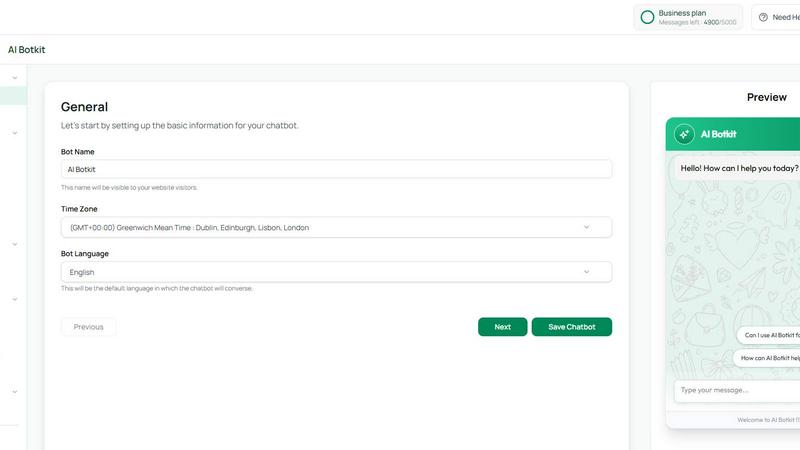
About AI Botkit
AIBotKit is a simple, no-code platform that helps businesses create and manage AI chatbots.
You don’t need any technical skills. In just a few minutes, you can train your chatbot using your own content like FAQs, documents, or website links, and start using it on your site.
It helps you:
Answer customer questions automatically
Capture leads
Engage visitors 24/7
If needed, your team can take over the conversation anytime through a smooth human handoff.
AIBotKit comes with:
A clean chat widget for your website
Multi-channel support (use it across platforms)
Analytics to track chatbot performance
Support for 75+ languages
Easy customization to match your brand
It’s built for business owners, marketers, and agencies who want to quickly add smart chatbots to their own or their clients’ websites.
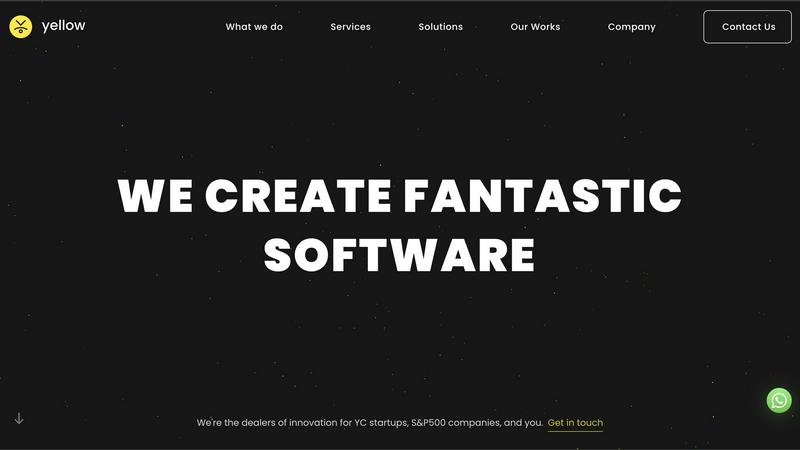
About Yellow Systems
Yellow Systems is a premier, full-cycle software development partner dedicated to crafting bespoke, scalable, and secure digital solutions tailored to the unique needs of its clients. With a diverse clientele ranging from innovative Y Combinator startups to established S&P 500 enterprises, Yellow Systems positions itself as a strategic technology arm, committed to driving client growth and enhancing market relevance. The company prides itself on its deep tech-stack expertise, which includes AI/ML development, custom web application engineering, rigorous quality assurance, penetration testing, and user-centric UI/UX design. With a proven track record of over 317 completed projects that have impacted more than 20 million users and helped clients raise a remarkable $1.6 billion, Yellow Systems boasts exceptional client retention, with 90% of clients choosing to continue their partnership. Their long-term collaboration model emphasizes the importance of technological compatibility and future-proof architecture, ensuring seamless integration into existing business ecosystems.