
evenus vs MonsterOps
Side-by-side comparison to help you choose the right product.

AI reveals relationship loads for true fairness.

MonsterOps
MonsterOps is a comprehensive Business Operating System that enhances strategy, meetings, and accountability for SMBs.
Last updated: March 1, 2026
Visual Comparison
evenus
MonsterOps
Overview
About evenus
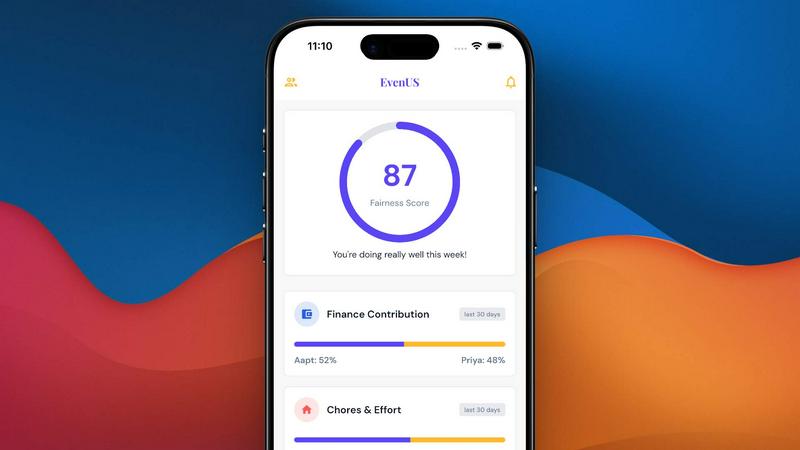
EvenUS is a fairness engine for couples that combines finances, chores, and the invisible mental load into one unified dashboard. It provides AI-powered insights, a live Household Harmony Score, income-aware expense splits, effort scoring, gentle reminders, and actionable tips to rebalance without blame or arguments.
Unlike traditional spreadsheets or basic chore apps, EvenUS treats money, tasks, and cognitive labor as an interconnected system, helping couples (married or not) reduce resentment, save time, and strengthen their relationship. Features include real-time syncing between partners, mental load tracking, fairness reports with Effort Balance and Financial Balance scores, Zone Ownership, automated reminders, and seamless integrations (calendars, banks, grocery apps).
Launching soon on iOS & Android with a generous free tier.
About MonsterOps
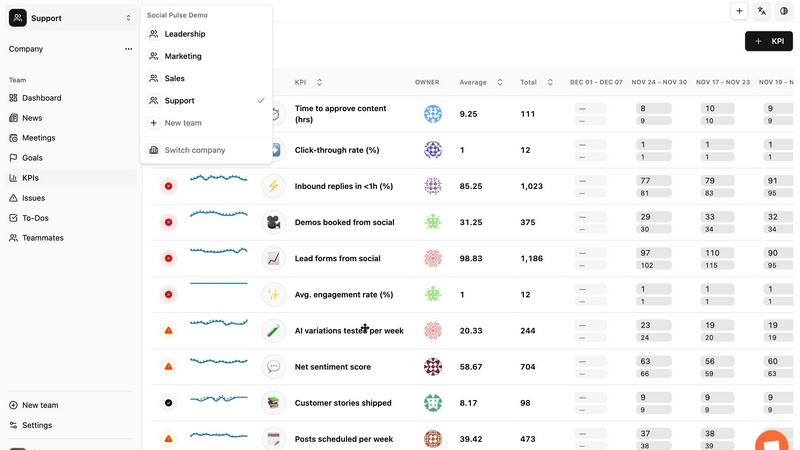
MonsterOps is an innovative all-in-one Business Operating System (BOS) tailored specifically for small to mid-sized businesses seeking to enhance their operational efficiency. This platform acts as a centralized workspace that integrates various business management tools, effectively streamlining operations and fostering team alignment. By providing a cohesive environment, MonsterOps eliminates the confusion associated with scattered spreadsheets and disparate task applications. This solution is particularly advantageous for organizations implementing frameworks like the Entrepreneurial Operating System (EOS), yet it remains flexible enough to support any business operating system. With features like real-time KPI tracking, leadership meeting facilitation, and a focus on accountability, MonsterOps empowers business owners and leadership teams to shift from reactive problem-solving to proactive management. This transformation ensures that all team members are aligned and working collaboratively toward shared objectives, ultimately driving business success.