
Postproxy vs vaethat
Side-by-side comparison to help you choose the right product.

Postproxy
Postproxy simplifies social media publishing by unifying multiple platform integrations into a single efficient API.
Last updated: February 27, 2026

vaethat
Vaethat is an AI tool that enhances architectural renders, improving detail and clarity effortlessly for archviz.
Last updated: February 27, 2026
Visual Comparison
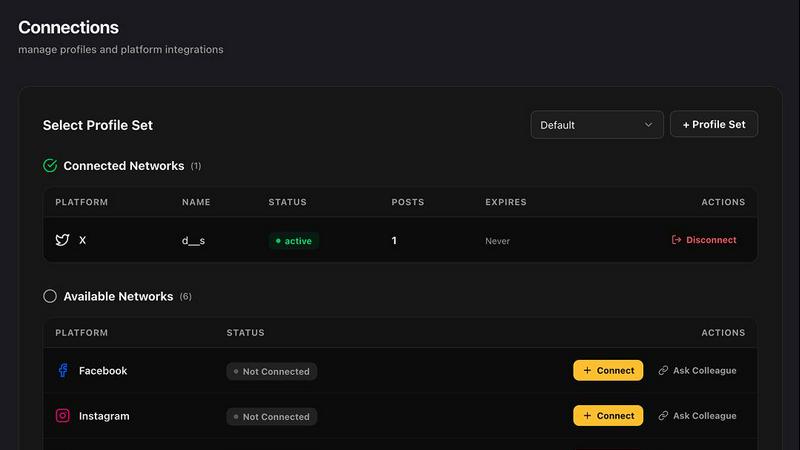
Postproxy
vaethat

Feature Comparison
Postproxy
Unified API
Postproxy offers a single API endpoint that handles publishing to all supported social media platforms simultaneously. This eliminates the need for multiple integrations, allowing users to streamline their publishing processes and reduce operational complexity.
Automated Content Adaptation
With Postproxy, content is automatically transformed to meet the specific requirements of each platform. This means users do not have to manually adjust their posts for different formats, media limits, or text validations, ensuring a more efficient workflow.
Error Handling and Delivery Guarantees
Postproxy incorporates robust error handling mechanisms, including automatic retries and rate limit management. Users can trust that their posts will be delivered reliably, with comprehensive reporting on publish states, helping identify successes and failures without manual intervention.
Simplified Authentication Management
Postproxy takes the hassle out of authentication by managing OAuth flows, token storage, and automatic refreshes. This streamlined process allows developers to focus on creating and publishing content rather than navigating complex authentication protocols.
vaethat
AI Render Upscaling
Vaethat's AI render upscaling feature significantly increases the resolution and sharpness of 3D architectural renders. This feature ensures that geometry remains clean and consistent, allowing for high-definition presentations that showcase intricate designs without losing detail.
Detail Refinement
With the detail refinement feature, Vaethat enhances fine textures, edges, and small architectural elements. This results in a crisper and more polished appearance, ensuring that every aspect of the design is highlighted and presented in the best possible light.
Material and Lighting Enhancement
Vaethat's material and lighting enhancement capabilities improve perceived realism by boosting material definition, contrast, and lighting balance. This feature allows architectural visualizers to create images that accurately reflect the envisioned atmosphere and aesthetic of the project.
Noise and Artifact Cleanup
The noise and artifact cleanup feature effectively reduces unwanted noise and common rendering artifacts. This results in cleaner, presentation-ready images, allowing architects and visualizers to focus on the design rather than post-processing issues.
Use Cases
Postproxy
Automated Social Media Campaigns
Businesses can leverage Postproxy to automate their social media campaigns, ensuring that content is published consistently across various platforms without the need for manual intervention.
Cross-Platform Content Distribution
Content creators can use Postproxy to distribute their posts across multiple social media channels simultaneously, ensuring a wider reach and consistent messaging across their audience.
Integration with Automation Tools
Developers can easily integrate Postproxy with automation platforms like n8n and Zapier, allowing for seamless workflows that trigger content publishing based on events or schedules, enhancing productivity.
Scaling Publishing Efforts
Organizations looking to scale their social media presence can utilize Postproxy to handle increased publishing demands without the complexity and overhead of managing multiple integrations, thus facilitating growth.
vaethat
Client Presentations
Architects can utilize Vaethat to enhance their 3D renders for client presentations. By improving image quality, they can communicate their design ideas more effectively, leading to better client engagement and approval.
Portfolio Development
Visualizers can use Vaethat to elevate their portfolio with high-quality images that showcase their work. Enhanced renders help in attracting potential clients and demonstrating the level of detail and professionalism in their projects.
Marketing Campaigns
Real estate developers can rely on Vaethat to produce stunning visuals for marketing campaigns. Enhanced architectural renders can significantly impact promotional materials, attracting more interest and inquiries about the properties.
Design Reviews
Architectural teams can use Vaethat to prepare renders for internal design reviews. By enhancing the visual quality of their images, teams can facilitate clearer discussions and evaluations of design elements, leading to more informed decision-making.
Overview
About Postproxy
Postproxy is an innovative API solution designed to simplify and unify social media publishing across multiple platforms, including Instagram, Facebook, YouTube, LinkedIn, and X. It serves as a centralized hub for developers and automators, enabling seamless integration with existing workflows without the need to handle the complexities of individual platform APIs. By automating OAuth processes, managing rate limits, and providing robust analytics, Postproxy replaces the chaotic environment of multiple platform-specific integrations with a single reliable endpoint. This makes it an ideal choice for businesses and developers who utilize automation tools like n8n, Zapier, and CI/CD systems. With Postproxy, users can effortlessly generate AI content, apply routing rules, and publish at scale, all while ensuring a consistent and reliable publishing experience. The free plan allows users to get started easily, providing the flexibility to scale as their needs grow.
About vaethat
Vaethat AI is a specialized, AI-powered tool designed to upscale and enhance 3D renders specifically for architectural visualization (archviz) professionals. This innovative software addresses the common challenges faced by architects and visualizers, such as achieving high clarity, sharpness, and realism in their renders. By leveraging advanced AI technology, Vaethat optimizes architectural images while preserving the original design intent and composition. With a focus on user experience, the tool allows for a straightforward upload-and-export process, enabling professionals to enhance their renders without the complexities of traditional editing software. Whether for client presentations or portfolio showcases, Vaethat empowers users to produce high-quality images that stand out in the competitive field of architectural visualization.
Frequently Asked Questions
Postproxy FAQ
What platforms does Postproxy support?
Postproxy currently supports major social media platforms including Instagram, Facebook, YouTube, LinkedIn, and X, allowing users to publish across multiple channels simultaneously.
How does Postproxy handle errors during publishing?
Postproxy is designed with robust error handling features, including automatic retries for failed posts and clear reporting on publish states. This ensures users are informed about the status of their content without needing to manually check each platform.
Is there a free trial available for Postproxy?
Yes, Postproxy offers a free plan that allows users to get started without the need for a credit card. This plan is designed for users to explore the capabilities of the API before scaling up their usage.
How can I integrate Postproxy into my existing workflows?
Integrating Postproxy is straightforward. Simply create an account to obtain an API key, connect your social media accounts, and then use the unified API to publish content. This seamless integration minimizes the need for complex setup procedures.
vaethat FAQ
How does the AI render enhancer calculate credits?
Vaethat calculates credits based on the size and number of images uploaded for enhancement. Each enhancement process consumes a certain number of credits, which users can monitor through their dashboard.
Can I use the archviz AI upscaler with V-Ray, Lumion, Enscape, 3ds Max, and SketchUp?
Yes, Vaethat is designed to be compatible with major architectural rendering software including V-Ray, Lumion, Enscape, 3ds Max, and SketchUp. This allows users to seamlessly integrate the tool into their existing workflows.
What makes this AI post-production tool different from manual editing?
Unlike manual editing tools that require extensive adjustments and expertise, Vaethat simplifies the process by using AI to automatically enhance images based on preset styles. This eliminates the need for complex edits and saves valuable time.
Can I upgrade or downgrade my AI enhancement plan anytime?
Yes, Vaethat offers flexible subscription plans that allow users to upgrade or downgrade at any time based on their needs. This flexibility ensures that users can adapt their usage according to project demands without any hassle.
Alternatives
Postproxy Alternatives
Postproxy is a unified API designed for seamless social media publishing across multiple platforms, including Instagram, Facebook, YouTube, LinkedIn, and X. It simplifies the complexities of individual platform integrations by automating processes such as OAuth handling, rate limiting, and content adaptation, making it particularly valuable for developers and those in automation roles. Users often seek alternatives to Postproxy for reasons such as pricing structures, specific feature sets, or compatibility with different platforms. When evaluating alternatives, it is crucial to consider factors such as integration capabilities, ease of use, scalability options, and whether the service aligns with the specific needs of your social media strategy.
vaethat Alternatives
Vaethat is an innovative AI tool designed specifically for architectural visualization (archviz) professionals. This powerful software enhances 3D renders by upscaling images, refining details, and improving overall clarity while ensuring that the original design intent is preserved. As users seek to elevate their presentations, they often explore alternatives to Vaethat for various reasons, such as pricing concerns, a need for specific features, or compatibility with different platforms and workflows. When evaluating alternatives, it’s essential to consider factors like ease of use, the quality of enhancements provided, integration capabilities with existing software, and support options. A well-rounded alternative should not only meet technical requirements but also align with the unique needs of the architectural visualization process.