

Alternatives to HiAPI
HiAPI unifies image, video, and text generation models into one API with persistent artifact storage and production-grade routing for seamless.
Explore 20 alternatives to HiAPI. Compare features, pricing, and find the best fit for your needs.

AI Album Cover Maker
Create release-ready album covers from a prompt or photo. Generate, refine, and export art for singles, EPs, mixtapes, and playlists.
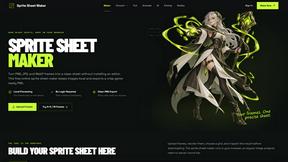
Sprite Sheet Maker
A free browser-based toolkit for creating, cutting, converting, and previewing sprite sheet animations.

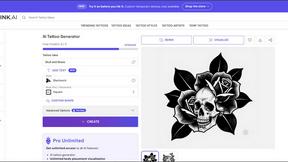

RunwayAI
Create videos from prompts and images with RunwayAI, featuring output controls, task tracking, previews, downloads, and API resources.

Qwen Image Edit
Prompt-based image editing and generation for backgrounds, objects, text, products, posters, outpainting, styles, and Qwen Image workflows.

Seedream 5.0
Generate and edit production-ready images with Seedream 5.0 Pro and Lite for ecommerce, marketing, social media, infographics, and branded content.

Lockimate - AI Live Wallpapers
Turn any photo into a real Apple Live Photo that animates when you wake your iPhone. Restyle it and choose the motion - customizable.
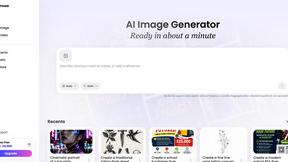
Vismuse
Create polished AI images and videos from prompts or references for social posts, ads, flyers, album covers, and campaigns.
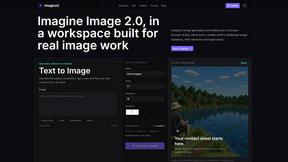
Imagine2
Private browser-based AI image generation and editing with text-to-image, targeted edits, and multi-image references.

Kogashitsuka AI
An online AI image tool that enhances photos and illustrations at their original size or upscales them by 2x or 4x.

UGCad AI
AI UGC video ad Generator which Turn a URL, prompt, or template into a ready video ads.

StopScroll
StopScroll is an AI thumbnail maker that generates YouTube thumbnail concepts from a URL, title, or prompt.
HubVanta AI
HubVanta AI helps creators generate images and videos with advanced AI tools for visual content workflows.

VideoAny
VideoAny is an AI studio for generating uncensored videos, images, and audio from text or photos with models like Seedance and Wan.

Picture Enhancer
Picture Enhancer uses AI to deblur, upscale, and restore photos in your browser with no software install and three free guest tries.
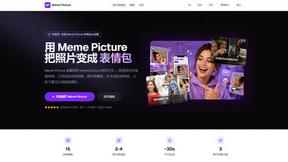
Meme Picture
Meme Picture uses AI to turn your selfies and pet photos into shareable memes with classic templates, free daily generations, and instant downloads.
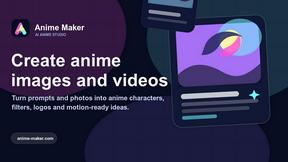
Anime Maker
Anime Maker turns text prompts into 1024x1024 anime images, photo-based illustrations, and 6-30 second videos using AI generation.

ComicsMaker
ComicsMaker transforms prompts into structured comic strips, manga, or storyboards with integrated panel planning and dialogue tools for export-ready.
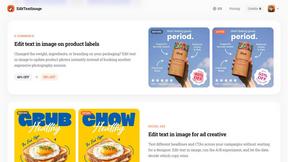
EditTextImage
EditTextImage seamlessly edits text in images online while preserving font, color, lighting, and perspective without Photoshop or font installs.
About HiAPI Alternatives
HiAPI serves as a unified API gateway that aggregates leading AI models for image, video, and text generation into a single integration point. It belongs to the AI model aggregation and API management category, designed specifically for developers who need to switch between different generative AI engines without managing multiple API keys, authentication protocols, or billing systems. While HiAPI offers clear advantages in terms of streamlined access and OpenAI-compatible request formatting, developers often explore alternatives due to specific requirements such as different pricing structures for high-volume workloads, the need for support of niche or open-source models not included in the current roster, or a desire for more granular control over latency and regional data residency. When evaluating an alternative to HiAPI, the primary technical considerations should be API compatibility and the breadth of the model library. Look for platforms that maintain strict adherence to the OpenAI request schema to minimize code refactoring, and verify that the alternative supports the specific models you rely on, whether for image generation, video synthesis, or text completion. Additionally, assess the billing transparency—specifically whether the provider offers real-time cost tracking and pay-as-you-go options without hidden minimums. Integration ease, including available SDKs for your tech stack and the quality of developer documentation, is equally critical to ensure a smooth migration without disrupting your existing pipeline.
FAQs about HiAPI Alternatives
What is HiAPI?
HiAPI is a developer-first AI API platform that provides a single endpoint for accessing leading image, video, and text generation models. It allows developers to use one API key to interact with multiple AI engines, using OpenAI-compatible request formats, which simplifies integration and reduces the need to manage separate provider accounts.
Who is HiAPI for?
HiAPI is designed for developers and engineering teams building AI-powered applications, particularly those working in image, video, or text generation. It is ideal for teams that need to quickly switch between different AI models for testing or production without rewriting integration code, and for those who want unified billing and a single API key to manage their usage across multiple providers.
What are the main features of HiAPI?
The core features include access to multiple leading AI models through a single API key, full compatibility with OpenAI’s request and response schema, unified billing across all used models, and a pay-as-you-go pricing model. These features are engineered to reduce development overhead, streamline vendor management, and provide predictable cost scaling based on actual usage.
Is HiAPI secure?
HiAPI is built with developer security in mind, featuring API key-based authentication for all requests. The platform handles billing and usage tracking centrally, which reduces the need to expose credentials across multiple third-party services. While specific encryption and data handling policies should be reviewed in their documentation, the unified API approach inherently reduces the attack surface compared to managing multiple provider keys independently.