
Afterly Plan vs Caller
Side-by-side comparison to help you choose the right product.

Afterly Plan
Afterly Plan integrates expert guidance to streamline probate and estate settlement for executors.
Last updated: February 28, 2026

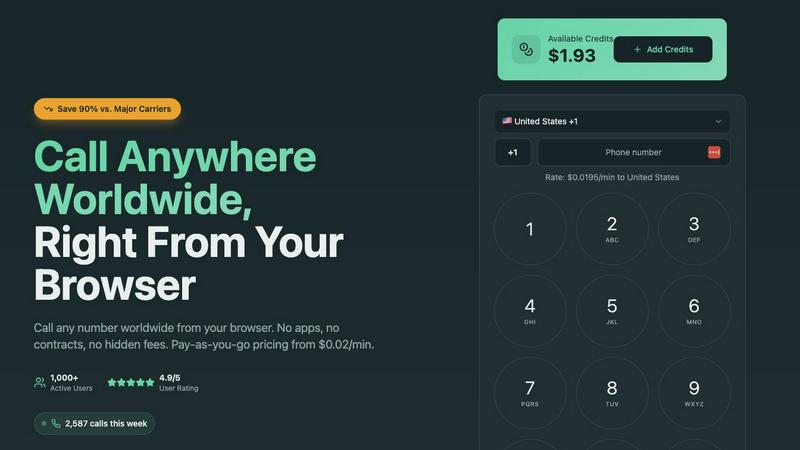
Caller enables instant browser-based international calls with transparent pay-as-you-go rates from $0.02/min.
Last updated: March 1, 2026
Visual Comparison
Afterly Plan

Caller
Feature Comparison
Afterly Plan
Phase-Based Action Plan
The platform structures the entire post-loss process into clear, sequential phases, such as Immediate Steps, Funeral & Memorial, and Financial Affairs. This architectural approach breaks down monumental tasks into a defined workflow, providing a visual timeline and prioritized checklist. Users progress through a curated roadmap, ensuring no critical step is overlooked while adapting the plan to their specific situation and jurisdiction.
Secure Digital Document Hub
Afterly Plan provides an encrypted, centralized vault for organizing and storing essential documents. This feature supports the upload and categorization of wills, deeds, account statements, death certificates, and other vital records. It mitigates the risk of lost paperwork and creates a single source of truth, facilitating easier sharing with attorneys, accountants, or family members as needed during the settlement process.
Integrated Expert Guidance Library
The platform embeds a comprehensive knowledge base curated by estate professionals. This library offers plain-language explanations of probate, executor responsibilities, legal terminology, and financial procedures. It acts as an always-available reference, reducing dependency on frantic internet searches and providing trustworthy, context-sensitive information directly within the relevant step of the action plan.
Interactive Checklists & Progress Tracking
Dynamic, customizable checklists form the core of the user interface, allowing individuals to track completed, pending, and upcoming tasks. The system offers conditional logic, showing or hiding tasks based on user input (e.g., "Was there a will?"). This interactive tracking provides a sense of control and accomplishment, visually mapping progress through an otherwise daunting journey.
Caller
Browser-Based WebRTC Calling
Caller's core technology is built on the WebRTC framework, allowing users to initiate and receive voice calls directly from their web browser without any plugins or downloads. This ensures maximum compatibility across devices and operating systems, from laptops to tablets. The architecture leverages secure peer-to-peer-like connections optimized by global media servers, ensuring low-latency, high-definition audio that bypasses the limitations and costs of traditional Public Switched Telephone Network (PSTN) routing.
Transparent Pay-As-You-Go Billing
The platform operates on a pure usage-based billing model with no monthly subscriptions, contracts, or hidden fees. Users pre-pay for credits that never expire and are charged only for completed call minutes at published rates starting from $0.02 per minute. This financial model, powered by a real-time billing API, provides complete cost control and transparency, making it ideal for variable usage patterns and for businesses looking to optimize communication expenses with precise, auditable spending.
Global Number Provisioning API
Beyond outbound calling, Caller offers an API-driven service for provisioning dedicated virtual phone numbers in countries like the US and UK. Users can acquire local, toll-free, or mobile numbers to use as a professional caller ID or for establishing a business presence. This feature integrates seamlessly with the core calling stack, enabling instant activation and management of numbers directly from the user dashboard for use in outbound communication strategies.
Enterprise-Grade Security & Encryption
All communication on the Caller platform is secured with bank-level SSL/TLS 1.2+ encryption, ensuring that both signaling (call setup) and media (audio streams) are protected from interception. This end-to-end security model safeguards sensitive business conversations and payment transactions. The platform's infrastructure is designed with privacy-by-design principles, requiring no personal phone verification for outbound calls, which enhances user anonymity and simplifies onboarding.
Use Cases
Afterly Plan
The Unprepared Executor
An individual named as executor in a will but with no prior experience in estate law or administration uses Afterly Plan. The platform provides them with a definitive, step-by-step protocol, explaining their fiduciary duties, court deadlines, and the order of operations for asset collection, debt payment, and distribution, transforming an overwhelming responsibility into a managed project.
The Grieving Immediate Family
A surviving spouse or adult child is emotionally overwhelmed and unable to focus on logistical details. They use the platform's compassionate, guided workflow starting with "Immediate Steps," which helps them notify relevant parties, plan a funeral using provided checklists, and locate critical documents without having to mentally organize the chaos themselves.
Managing Digital & Financial Assets
Families struggle to locate and manage a deceased loved one's online accounts, subscriptions, and financial assets. Afterly Plan's structured modules guide them through creating an inventory, providing templates for contacting financial institutions, and offering steps for handling passwords, recurring bills, and closing accounts systematically.
Coordinating with Professional Advisors
An executor or family representative uses Afterly Plan to organize all documents and task statuses in one secure hub. This organized digital estate file can then be efficiently shared with the family's attorney, CPA, or financial advisor, streamlining communication, reducing billable hours spent on organization, and ensuring all professionals are working from the same information.
Caller
Distributed Tech Team Collaboration
Remote engineering and development teams use Caller for daily stand-ups, pair programming sessions, and urgent discussions with international colleagues or clients. The browser-based nature eliminates compatibility issues across different OS environments (Linux, macOS, Windows) and allows developers to jump into a call directly from a shared link or their workflow tool (like Slack or a project management dashboard) without context-switching to a separate app.
Global Customer Support & Sales Outreach
Sales and support teams leverage Caller to make cost-effective outbound calls to customers and prospects in over 200 countries. The clear HD audio quality ensures professional conversations, while the pay-as-you-go model aligns perfectly with variable call volumes. Teams can use dedicated international numbers as their caller ID to build local trust and increase answer rates, all managed through a centralized web interface.
Freelancer & Digital Nomad Operations
Freelancers, consultants, and digital nomads who travel frequently use Caller as their primary communication tool. It provides a consistent, reliable calling interface accessible from any browser worldwide, avoiding expensive international roaming charges and SIM card swaps. They can maintain a professional presence by using a dedicated number from their home country while calling clients or service providers globally at local-rate prices.
Automated System Integration & Alerting
Developers integrate Caller's capabilities into custom applications and automated systems for voice-based alerts and notifications. Using its API, systems can programmatically initiate calls to deliver critical alerts (e.g., system downtime, security breaches, or appointment reminders) to on-call personnel or end-users. This use case highlights the platform's utility as a programmable communication layer within a larger software stack.
Overview
About Afterly Plan
Afterly Plan is a specialized digital platform engineered to provide structured, step-by-step guidance through the complex administrative and logistical tasks following a death. It functions as an operational system for grief, translating the overwhelming process of estate settlement, probate, and executor duties into manageable, sequential actions. The platform is architected for individuals and families who are navigating loss, offering them clarity and organization when they need it most. Its core value proposition lies in filling the critical gap left by traditional estate plans, which are legal documents but not actionable day-by-day guides. Afterly Plan covers the immediate, practical necessities—from funeral planning and document location to managing financial accounts and understanding legal procedures—all within a secure, cloud-based environment. Built with direct input from estate professionals, it ensures reliable, expert-informed workflows. By integrating checklists, timelines, and secure document organization, Afterly Plan reduces cognitive load during a highly stressful time, allowing users to delegate mental energy from logistics to healing.
About Caller
Caller is a modern, browser-based Voice over IP (VoIP) platform engineered to replace traditional telephony and complex communication stacks. It provides a pure web application for making high-definition voice calls to any phone number globally, eliminating the need for physical hardware, mobile apps, or desktop software installations. Built on a cloud-native architecture, Caller leverages WebRTC (Web Real-Time Communication) protocols to facilitate real-time audio streaming directly within any modern web browser like Chrome, Firefox, or Edge. The platform is designed for developers, remote teams, freelancers, and businesses that require seamless, scalable, and cost-effective international communication integrated directly into their workflow. Its core value proposition lies in its frictionless setup, transparent pay-as-you-go pricing model, and enterprise-grade audio infrastructure, offering up to 90% savings compared to legacy carriers while maintaining professional call quality and robust security with SSL/TLS encryption.
Frequently Asked Questions
Afterly Plan FAQ
How is Afterly Plan different from an estate plan?
An estate plan (will, trust) is a set of legal documents that instructs courts on your final wishes. Afterly Plan is the operational guide that helps your family execute those wishes. It addresses the immediate, practical logistics—finding documents, planning services, managing accounts—that legal documents do not cover, ensuring the plan is actionable.
Is my sensitive data secure on the platform?
Yes. Afterly Plan employs bank-level encryption for data both at rest and in transit. The company adheres to a strict privacy-first policy, meaning your personal information and uploaded documents are never sold or shared. The platform is designed as a secure vault for organizing this critical information during the settlement process.
Do I need to be tech-savvy to use Afterly Plan?
No. The platform is designed with a user-friendly, guided interface that requires no technical expertise. It uses simple language, clear step-by-step instructions, and intuitive checklists. The complexity of the estate process is handled by the platform's backend logic, presenting users with only the next actionable task in a simple format.
Can Afterly Plan provide legal or financial advice?
Afterly Plan is not a law firm or financial advisory service. It provides educational guidance, checklists, and organizational tools built with input from professionals. For specific legal, tax, or financial advice pertaining to your unique situation, the platform guides you on when and how to consult with licensed attorneys, CPAs, or other qualified experts.
Caller FAQ
What technology does Caller use for browser-based calling?
Caller is built on the standardized WebRTC (Web Real-Time Communication) API, which is natively supported by all major modern browsers. This technology handles the real-time capture and encoding of audio directly in the browser, establishes a secure peer-to-peer connection (facilitated by STUN/TURN servers for network traversal), and manages the streaming of high-definition voice data over UDP for optimal performance and low latency, eliminating the need for any external software.
Do I need a phone number or SIM card to use Caller?
No, you do not need a personal phone number or SIM card to make outbound calls with Caller. You simply sign up with an email address, add credits, and start calling. Your caller ID can be set to a private number or to a dedicated virtual number purchased through Caller's number provisioning service. This makes it ideal for privacy and for users who want a separate business line.
How does the pay-as-you-go credit system work?
You pre-purchase credits into your Caller account wallet via secure payment methods. These credits have no expiration date. When you make a call, the platform's billing system deducts credits in real-time based on the per-minute rate of the destination country and the exact duration of the connected call. You only pay for completed minutes, and you can track your remaining balance and usage history in your account dashboard at any time.
Can I use Caller on my mobile device?
Yes, Caller is fully functional on mobile devices. Because it is a web application built on WebRTC, it works within the mobile web browsers (like Safari on iOS or Chrome on Android) on smartphones and tablets. There is no native app to download from an app store; you simply navigate to the Caller website, log in, and the calling interface will be optimized for your mobile screen, providing the same features and call quality.
Alternatives
Afterly Plan Alternatives
Afterly Plan is a specialized productivity and management platform designed to guide individuals through the complex administrative and emotional tasks following a loss. It provides a structured, step-by-step framework for handling probate, estate duties, and memorial planning, integrating checklists and expert guidance into a single workflow. Users often explore alternatives to find a solution that better aligns with their specific technical ecosystem or budget. Common considerations include the need for deeper integration with existing legal or financial software stacks, a preference for a different pricing model, or requirements for more advanced collaborative features for dispersed family members. When evaluating an alternative, prioritize platforms with robust API support and compatibility with common cloud storage and document management systems. Assess the depth of the platform's feature set against your specific procedural needs, and ensure its security protocols and data handling policies meet the sensitive nature of estate management.
Caller Alternatives
Caller is a browser-based international calling platform, operating within the productivity and management software category. It enables instant voice calls globally without app downloads, using a pay-as-you-go model for cost-effective communication. Users often explore alternatives to find solutions that better align with their specific tech stack, such as native mobile app integration, API access for custom workflows, or bundled subscription models. Needs can vary based on required call features, compliance standards, and existing communication infrastructure. When evaluating an alternative, prioritize core technical compatibility: does it integrate with your CRM or support systems? Assess the underlying infrastructure for call quality and uptime guarantees. Finally, scrutinize the pricing architecture for transparency and scalability against your projected usage patterns.