
fnel vs Fusedash
Side-by-side comparison to help you choose the right product.

fnel
Fnel provides real-time funnel analytics for solo founders with a one-line JavaScript integration.
Last updated: March 1, 2026

Fusedash
Fusedash transforms raw data into interactive dashboards and charts, enabling teams to act on insights instantly.
Last updated: March 4, 2026
Visual Comparison
fnel
Fusedash
Feature Comparison
fnel
Real-Time Funnel Visualization
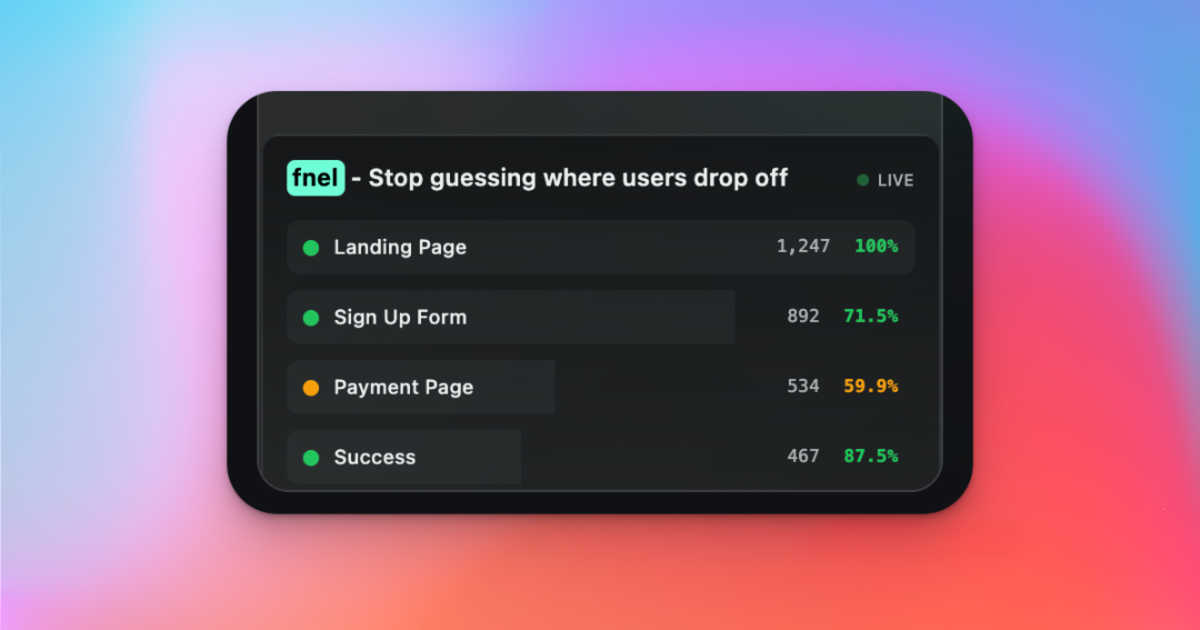
fnel provides instant, visual funnel analytics that update in real-time as user events flow in. Unlike traditional tools that require batch processing and delayed reports, you can see exactly how users are moving through your defined steps—like landing page, signup, and payment—the moment it happens. This live dashboard displays conversion rates and drop-off percentages at each stage, giving you an immediate pulse on your key user journeys without any configuration lag or complex query building.
One-Line Code Integration
Designed for developer velocity, fnel can be integrated into your application with a single line of code. After installing the lightweight npm package (npm install fnel) and initializing it with your API key, you can immediately start tracking events using simple fnel.track() calls. This eliminates the days or weeks typically spent instrumenting events and defining schemas in other platforms, getting you from zero to actionable funnel insights in under five minutes.
Smart Drop-Off Alerts
The platform automatically monitors your funnels and detects anomalies in real-time. If a particular step—such as a payment page—suddenly experiences a higher-than-normal drop-off rate, fnel triggers an immediate alert. This proactive notification system ensures you are informed of potential issues like broken forms, UX regressions, or performance problems as they happen, allowing for rapid investigation and resolution before they significantly impact conversion.
A/B Test Validation at Funnel Level
fnel allows you to attribute events to specific A/B test variants directly within your funnel analysis. By passing variant data in your track() calls, you can compare how different versions of a page or flow perform at each step of the user journey. This provides statistically significant insights into which variant drives better conversion through the entire funnel, moving beyond superficial click-through rates to understand true impact on your core business metrics.
Fusedash
Flexible Views
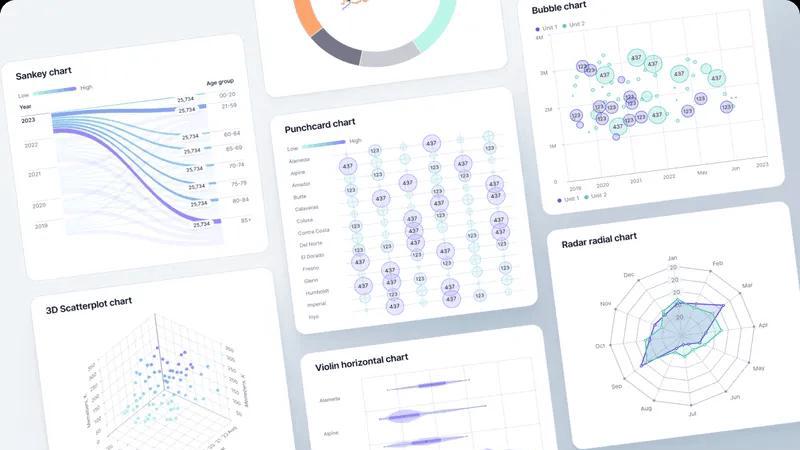
Fusedash enables users to create various visual representations of the same dataset, including dashboards, charts, maps, and report-style views. This flexibility ensures that different teams receive the precise insights they need without unnecessary back-and-forth communication, streamlining decision-making processes.
AI Chart Generator
The AI chart generator in Fusedash allows users to transform raw data from CSVs or APIs into clear and compelling visuals in mere minutes. It intelligently selects the best chart types and applies relevant comparisons and labels, making it easier for users to communicate their data stories effectively.
Dashboard Software
Fusedash's dashboard software is designed to provide comprehensive monitoring of KPIs while also offering contextual narrative reporting. This combination equips stakeholders with the necessary insights to understand changes, their implications, and recommended actions, thus reducing the risk of conflicting reports.
AI Chat Integration
The Smart Chat feature allows users to interact with their data using natural language queries, facilitating quicker insights. By asking questions in plain language, users can explore data breakdowns and receive suggestions for the most relevant metrics and visuals, which can then be instantly integrated into shareable dashboards.
Use Cases
fnel
Optimizing SaaS User Onboarding
For SaaS founders, understanding where new users fall off during the initial activation journey is critical. By tracking a funnel from signup and email verification to onboarding steps and final feature activation, fnel visually identifies the exact stage where users disengage. This enables targeted improvements, such as simplifying a confusing onboarding tutorial or fixing a bug in the email verification flow, directly increasing user activation rates and reducing early churn.
Fixing E-commerce Checkout Leaks
E-commerce store owners can implement fnel to visualize the classic checkout funnel: cart view, shipping information entry, payment details, and order confirmation. The real-time dashboard highlights the step with the largest percentage drop-off—for example, a 40% abandonment at the payment page—prompting immediate investigation into issues like unexpected shipping costs, lack of payment options, or form field errors that are killing conversions.
Validating Marketing Campaigns for Agencies
Marketing agencies and lead-generation businesses can use fnel to prove campaign ROI. By tracking a funnel from lead form submission through qualification steps to the final booked demo call, teams can see which traffic sources or ad creatives actually drive qualified leads through the entire pipeline, not just initial clicks. This step-level conversion data provides concrete evidence of what marketing efforts truly convert and where leads are being lost in the nurturing process.
Rapid Product-Market Fit Validation
Indie hackers and solo founders launching an MVP can use fnel to quickly gauge initial user interest and engagement. By setting up a simple funnel for their core flow—landing page visit, signup, and first key action—they can see in real-time if users are progressing or dropping off en masse. This immediate feedback loop is essential for iterating on the product experience early, before investing heavily in scaling, to ensure the solution resonates with the target audience.
Fusedash
Executive Reporting
Fusedash is ideal for executives who need to monitor KPIs and performance metrics at a glance. With customizable dashboards and narrative reports, leaders can easily access critical insights, understand organizational health, and make informed strategic decisions.
Marketing Analytics
Marketing teams can leverage Fusedash to visualize campaign performance data, track conversion rates, and analyze customer segments. By utilizing interactive charts and real-time monitoring, marketers can quickly adapt strategies based on actionable insights derived from their data.
Operations Management
Operations teams can benefit from Fusedash by creating dashboards that track operational metrics, such as efficiency and productivity. The ability to drill down into specific segments or timeframes allows teams to identify bottlenecks and optimize processes effectively.
Data-Driven Storytelling
Organizations can use Fusedash to create data-driven narratives that convey important insights to stakeholders. By combining performance visuals with storytelling elements, teams can present complex data in an understandable format, fostering alignment and informed discussions.
Overview
About fnel
fnel is a purpose-built, developer-first analytics platform engineered to deliver immediate, actionable insights into user conversion funnels. It directly addresses the complexity and overhead of traditional analytics suites like Google Analytics or Mixpanel by focusing exclusively on funnel visualization and drop-off analysis. The core value proposition is speed and simplicity of integration. With a single line of code, developers and founders can instrument their application to track key user journey events and instantly visualize where potential customers are abandoning their flow. Built for the modern tech stack with a straightforward JavaScript/TypeScript SDK, fnel integrates seamlessly into any web application. It is the ideal tool for solo founders, indie hackers, and early-stage startup teams operating with lean resources who need to move quickly and make data-driven decisions without administrative burden. The platform allows you to validate product-market fit, optimize signup sequences, improve checkout processes, and enhance onboarding flows without getting bogged down in weeks of configuration, complex event schemas, or navigating endless, generic dashboards. fnel provides crystal-clear clarity on user behavior, enabling you to identify and fix conversion leaks faster and grow your product more efficiently.
About Fusedash
Fusedash is an AI-powered data visualization platform tailored for teams seeking to convert their connected data into actionable insights with clarity and efficiency. It serves as a unified workspace where users can create a variety of decision-ready outputs, including dashboards, interactive charts, detailed maps, and comprehensive narrative reports. The platform eliminates the redundancy of rebuilding logic across multiple disconnected tools by enabling users to define key metrics and KPIs once and reuse them throughout their organization. This ensures that all stakeholders—from leadership to marketing and operations—are aligned and referencing the same reliable data. Fusedash is specifically designed for teams that are frustrated with manual reporting cycles and inconsistent data narratives. It not only allows users to monitor real-time data but also empowers them to understand causative factors by drilling down into specific segments, regions, or time periods. With integrated AI features like natural language data chat and smart visualization assistance, Fusedash significantly enhances the speed and accessibility of data exploration, transforming raw data into a shared source of truth that fosters organizational alignment and informed decision-making.
Frequently Asked Questions
fnel FAQ
How is fnel different from Google Analytics or Mixpanel?
fnel is purpose-built exclusively for funnel analysis and speed of implementation. Unlike GA or Mixpanel, which are broad analytics suites requiring complex event schema design and dashboard configuration, fnel requires just one code snippet. It provides immediate, step-level funnel visualization and automated drop-off detection out of the box. There's no noise from unrelated reports—just focused insights on where users leave your core flows and what to fix next.
Is there a free plan to get started?
Yes, fnel offers a Free Starter plan designed for initial validation. It includes up to 5,000 events per month and allows tracking for up to 3 separate funnels. You get access to the real-time dashboard and basic drop-off analysis. You can start using it immediately without providing a credit card, making it risk-free to integrate and test. You can upgrade to the Pro plan when you need higher event volumes and advanced features.
What tech stack is fnel compatible with?
fnel is built for modern web applications. It is distributed as a lightweight npm package (fnel) and can be integrated into any JavaScript or TypeScript frontend application, including those built with React, Vue, Svelte, Next.js, or plain JS. The simple API (fnel.track()) sends events to fnel's backend, requiring no complex backend instrumentation, making it compatible with any server-side technology or hosting platform.
How does the A/B test validation feature work?
You can pass variant information as properties when calling fnel.track(). For example, fnel.track('pricing_page', { variant: 'annual_plan' }). fnel will then segment your funnel data by these variants, allowing you to compare the conversion performance of 'annual_plan' versus 'monthly_plan' users at each subsequent step in the journey. This provides a clear, funnel-based view of which test variant leads to more completed goals, not just initial engagement.
Fusedash FAQ
What types of data sources can Fusedash connect to?
Fusedash can connect to a variety of data sources, including CSV files, APIs, and databases. This flexibility allows users to integrate diverse data sets into a single platform for comprehensive analysis.
How does Fusedash ensure data consistency across reports?
Fusedash promotes data consistency by allowing users to define key metrics and KPIs once, which can then be reused across all dashboards, charts, and reports. This standardization eliminates discrepancies and enhances trust in reported numbers.
Can I customize dashboards for different teams within my organization?
Yes, Fusedash allows users to customize dashboards to meet the specific needs of different teams. You can adjust layouts, filters, and time ranges to ensure that each team sees the most relevant data without duplicating effort.
Is there a trial version of Fusedash available?
Fusedash offers a demo request option on its website, allowing potential users to experience the platform's capabilities before committing to a subscription. This enables organizations to assess how Fusedash can meet their data visualization needs effectively.
Alternatives
fnel Alternatives
fnel is a developer-first, real-time funnel analytics platform designed for solo founders and indie hackers. It simplifies conversion tracking by providing immediate visual insights into user drop-offs with a one-line JavaScript integration, eliminating the complexity of traditional analytics suites. Users often explore alternatives to fnel for various reasons. Common considerations include budget constraints, the need for broader analytics features beyond funnels, or specific platform requirements like deeper CRM integrations or on-premise deployment. The search typically stems from evolving project needs or different team structures. When evaluating an alternative, focus on integration simplicity, real-time data capabilities, and the specificity of funnel analysis. Consider your tech stack compatibility, the level of developer effort required for setup, and whether the tool's focus aligns with your primary goal of identifying and fixing conversion leaks without unnecessary overhead.
Fusedash Alternatives
Fusedash is an AI-powered data visualization platform that falls under the category of analytics and business intelligence. It enables teams to convert raw data into clear dashboards and charts, allowing for instant insights and informed decision-making. Users often seek alternatives to Fusedash for various reasons including pricing, specific feature requirements, integration capabilities, or platform compatibility that aligns better with their unique organizational needs. When choosing an alternative to Fusedash, it's essential to consider factors such as ease of use, the ability to create customizable dashboards, the integration with existing data sources, and the overall flexibility of the platform. Additionally, evaluating the support and resources available for users can significantly impact the effectiveness of a chosen solution.