
Fusedash vs Karolium
Side-by-side comparison to help you choose the right product.

Fusedash
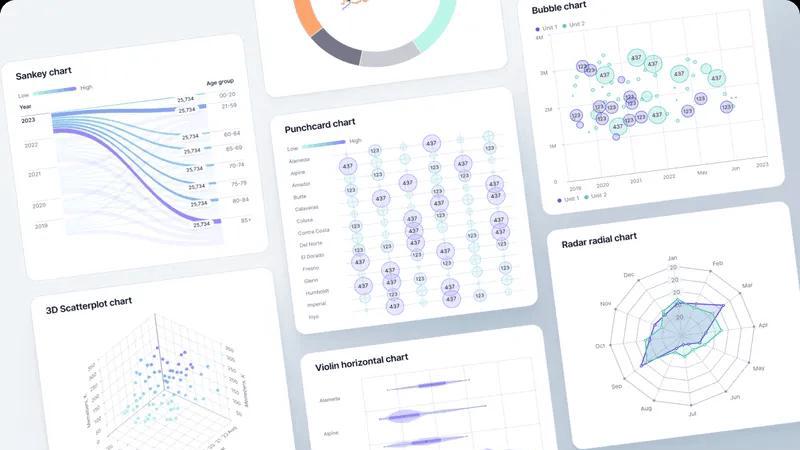
Fusedash transforms raw data into interactive dashboards and charts, enabling teams to act on insights instantly.
Last updated: March 4, 2026

Karolium
Karolium is a unified zero-code platform that accelerates digital transformation with AI-driven business solutions.
Last updated: February 28, 2026
Visual Comparison
Fusedash
Karolium

Feature Comparison
Fusedash
Flexible Views
Fusedash enables users to create various visual representations of the same dataset, including dashboards, charts, maps, and report-style views. This flexibility ensures that different teams receive the precise insights they need without unnecessary back-and-forth communication, streamlining decision-making processes.
AI Chart Generator
The AI chart generator in Fusedash allows users to transform raw data from CSVs or APIs into clear and compelling visuals in mere minutes. It intelligently selects the best chart types and applies relevant comparisons and labels, making it easier for users to communicate their data stories effectively.
Dashboard Software
Fusedash's dashboard software is designed to provide comprehensive monitoring of KPIs while also offering contextual narrative reporting. This combination equips stakeholders with the necessary insights to understand changes, their implications, and recommended actions, thus reducing the risk of conflicting reports.
AI Chat Integration
The Smart Chat feature allows users to interact with their data using natural language queries, facilitating quicker insights. By asking questions in plain language, users can explore data breakdowns and receive suggestions for the most relevant metrics and visuals, which can then be instantly integrated into shareable dashboards.
Karolium
Unified Zero-Code PaaS Stack
Karolium's foundation is a unified platform integrating iPaaS, aPaaS, oPaaS, and AIPaaS capabilities. This consolidated stack allows for seamless data flow, application development, operational management, and AI integration within a single, code-free environment. It eliminates the need for managing disparate point-to-point integrations and provides a future-proof architecture compatible with both legacy systems and modern microservices.
Pre-Composed, Composable Modules
The platform offers a library of ready-to-deploy, pre-composed modules for core value-chain operations like Supplier Collaboration, Unified Master Data Management, and Warehousing. These modules are fully composable, meaning users can drag, drop, and customize them extensively without writing code to create tailored solutions that perfectly fit unique business processes and workflows.
Built-In Predictive & Prescriptive Analytics
As an enterprise intelligence platform, Karolium embeds AI directly into its fabric. It provides built-in predictive and prescriptive analytics solutions, such as AI-infused demand forecasting and lead time prediction. This allows businesses to construct intelligent applications that anticipate trends and recommend optimal actions, moving from reactive to proactive operations.
Managed SaaS with Continuous Updates
Delivered as a managed PaaS-driven SaaS, Karolium ensures organizations always operate on the latest version. This model includes automatic quarterly releases of new modules and platform enhancements, removing the burden and cost of manual upgrades. It offers unlimited users and supports extensive customization while guaranteeing system stability and access to cutting-edge features.
Use Cases
Fusedash
Executive Reporting
Fusedash is ideal for executives who need to monitor KPIs and performance metrics at a glance. With customizable dashboards and narrative reports, leaders can easily access critical insights, understand organizational health, and make informed strategic decisions.
Marketing Analytics
Marketing teams can leverage Fusedash to visualize campaign performance data, track conversion rates, and analyze customer segments. By utilizing interactive charts and real-time monitoring, marketers can quickly adapt strategies based on actionable insights derived from their data.
Operations Management
Operations teams can benefit from Fusedash by creating dashboards that track operational metrics, such as efficiency and productivity. The ability to drill down into specific segments or timeframes allows teams to identify bottlenecks and optimize processes effectively.
Data-Driven Storytelling
Organizations can use Fusedash to create data-driven narratives that convey important insights to stakeholders. By combining performance visuals with storytelling elements, teams can present complex data in an understandable format, fostering alignment and informed discussions.
Karolium
Augmenting and Extending Legacy ERP Systems
Organizations locked into rigid ERP or legacy systems use Karolium to build complementary applications and workflows. By leveraging its iPaaS and aPaaS capabilities, they can add customer-centric features, modern interfaces, and specialized process automation without costly and disruptive core system replacements or redevelopment projects.
Rapid Deployment of AI-Driven Supply Chain Solutions
Supply chain teams utilize Karolium's pre-composed modules and AIPaaS to quickly deploy intelligent solutions like AI-driven image recognition for goods receipt or predictive asset monitoring. This accelerates digital transformation within the supply chain, enabling real-time collaboration, smarter forecasting, and resilience against market volatility without deep AI expertise.
Creating Custom, Department-Specific Applications
Business units frustrated by the limitations of off-the-shelf software use the zero-code environment to construct tailored applications. For example, a procurement team can build a centralized, smart compliance portal with custom approval workflows, integrating data from existing suppliers and contract systems, all configured visually without developer intervention.
Unifying Disparate Data Silos for Master Data Management
Enterprises struggling with fragmented data across multiple systems implement Karolium's Unified Master Data Management module. It acts as a single source of truth, harmonizing data from CRM, ERP, and other applications through built-in integration connectors, improving data quality, reporting accuracy, and operational efficiency across the organization.
Overview
About Fusedash
Fusedash is an AI-powered data visualization platform tailored for teams seeking to convert their connected data into actionable insights with clarity and efficiency. It serves as a unified workspace where users can create a variety of decision-ready outputs, including dashboards, interactive charts, detailed maps, and comprehensive narrative reports. The platform eliminates the redundancy of rebuilding logic across multiple disconnected tools by enabling users to define key metrics and KPIs once and reuse them throughout their organization. This ensures that all stakeholders—from leadership to marketing and operations—are aligned and referencing the same reliable data. Fusedash is specifically designed for teams that are frustrated with manual reporting cycles and inconsistent data narratives. It not only allows users to monitor real-time data but also empowers them to understand causative factors by drilling down into specific segments, regions, or time periods. With integrated AI features like natural language data chat and smart visualization assistance, Fusedash significantly enhances the speed and accessibility of data exploration, transforming raw data into a shared source of truth that fosters organizational alignment and informed decision-making.
About Karolium
Karolium is a next-generation, unified zero-code enterprise platform engineered to accelerate digital transformation and drive intelligent business outcomes. It converges multiple PaaS (Platform-as-a-Service) capabilities—including iPaaS (Integration), aPaaS (Application), oPaaS (Operational), and AIPaaS (AI)—into a single, cohesive technology stack. This architecture is designed for enterprises seeking to rapidly build, extend, and customize business applications without the overhead, complexity, and developer dependency of traditional coding. The platform empowers business analysts and IT teams to augment existing ERP, CRM, and legacy systems with tailored workflows and AI-driven functionalities. Its core value proposition lies in delivering composable, pre-built value-chain modules and enterprise-grade enablers at 10x the speed of conventional development, ensuring seamless integration, boundless customization, and continuous access to the latest AI and platform enhancements through its managed SaaS delivery model.
Frequently Asked Questions
Fusedash FAQ
What types of data sources can Fusedash connect to?
Fusedash can connect to a variety of data sources, including CSV files, APIs, and databases. This flexibility allows users to integrate diverse data sets into a single platform for comprehensive analysis.
How does Fusedash ensure data consistency across reports?
Fusedash promotes data consistency by allowing users to define key metrics and KPIs once, which can then be reused across all dashboards, charts, and reports. This standardization eliminates discrepancies and enhances trust in reported numbers.
Can I customize dashboards for different teams within my organization?
Yes, Fusedash allows users to customize dashboards to meet the specific needs of different teams. You can adjust layouts, filters, and time ranges to ensure that each team sees the most relevant data without duplicating effort.
Is there a trial version of Fusedash available?
Fusedash offers a demo request option on its website, allowing potential users to experience the platform's capabilities before committing to a subscription. This enables organizations to assess how Fusedash can meet their data visualization needs effectively.
Karolium FAQ
What is meant by a "unified zero-code platform"?
A unified zero-code platform like Karolium combines multiple platform-as-a-service (PaaS) capabilities—integration, application development, operations, and AI—into one environment. "Zero-code" means that users can build, customize, and integrate complex business applications using visual tools, drag-and-drop modules, and configuration settings without writing any traditional programming code, significantly speeding up development.
How does Karolium integrate with our existing software ecosystem?
Karolium is built with robust iPaaS (Integration Platform as a Service) capabilities at its core. It features pre-built connectors and integration tools designed to seamlessly interface with a wide range of systems, including legacy ERPs, modern SaaS applications, databases, and APIs. This allows for real-time data synchronization and process orchestration across your entire technology stack without point-to-point coding.
Can we truly customize pre-built modules without coding?
Yes. Karolium's pre-composed modules are designed for complete composability. This means you can visually modify workflows, data models, user interfaces, and business rules associated with any module. You can extend functionality, add new fields, create custom reports, and tailor processes to your exact specifications entirely within the platform's zero-code environment, ensuring the solution fits your unique operational needs.
What kind of AI capabilities are included in the platform?
Karolium includes both predictive and prescriptive analytics as native services within its AIPaaS layer. This encompasses ready-to-use AI models for specific business functions like demand forecasting, lead time prediction, and asset monitoring. Furthermore, the platform provides a flexible, code-free environment for building custom AI-driven applications, allowing you to embed intelligence into workflows for trend analysis and automated decision-making.
Alternatives
Fusedash Alternatives
Fusedash is an AI-powered data visualization platform that falls under the category of analytics and business intelligence. It enables teams to convert raw data into clear dashboards and charts, allowing for instant insights and informed decision-making. Users often seek alternatives to Fusedash for various reasons including pricing, specific feature requirements, integration capabilities, or platform compatibility that aligns better with their unique organizational needs. When choosing an alternative to Fusedash, it's essential to consider factors such as ease of use, the ability to create customizable dashboards, the integration with existing data sources, and the overall flexibility of the platform. Additionally, evaluating the support and resources available for users can significantly impact the effectiveness of a chosen solution.
Karolium Alternatives
Karolium is a unified zero-code platform in the development category, designed to accelerate digital transformation. It enables businesses to build AI-driven, customizable applications without writing code, focusing on enhancing operational efficiency and integrating predictive analytics into their workflows. Users often explore alternatives to platforms like Karolium for various reasons. Common drivers include specific budget constraints, the need for different feature sets like advanced native mobile development, or requirements for deeper integration with particular legacy systems or niche SaaS tools already in their tech stack. When evaluating an alternative zero-code or low-code platform, key technical considerations include its integration capabilities with your existing application ecosystem, the depth of its API and extensibility options, and the robustness of its analytics and AI features. Assessing compatibility with your current tech stack and long-term scalability is crucial for a seamless transition and sustained operational growth.