

Alternatives to Skene
Skene is growth infrastructure you own and prompt directly into your codebase.
Explore 20 alternatives to Skene. Compare features, pricing, and find the best fit for your needs.

JevModel
Jev turns text or JSON into Choice, Score and Noul answers with probabilities. Build decision flows and call the API.


SightRadar
Face recognition API, a drop-in replacement for AWS Rekognition. Index, search, compare and detect faces, billed per photo with no subscription.
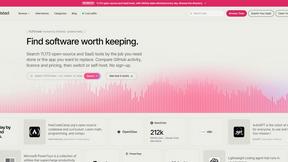
Enlisted
Search 20,000+ open-source and SaaS tools by the job you need done or the app you want to replace.

Notes Calculator
A notepad calculator that reads plain text and gives instant answers as you type, free on Mac, iOS, Windows, Linux, Android and Web.

AI Email Filter
AI Email Filter sorts incoming mail into folders using plain-language prompts you write. Works with any IMAP mailbox; bring your own LLM if you want.
Egmatic
No-code 2D game editor: visual node logic, drag-and-drop scenes, live preview. Exports to Windows, macOS, Linux, Android, iOS, Web.
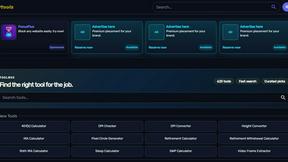
Kody Tools
Free collection of online developer utilities, code formatters, and digital converters designed to streamline your daily workflow.

layahost
Moderation, routing, intent and scoring for any text over one Jev-compatible API, hosted in the EU.
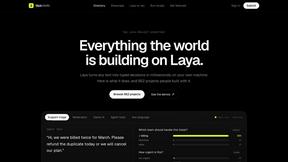
laya.tools
A free directory of 950+ projects built on Laya, the open-source decision model. Updated daily.

Sprite Sheet Maker
A free browser-based toolkit for creating, cutting, converting, and previewing sprite sheet animations.
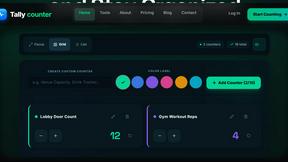
tallycounterweb.com
Online tally counter for tracking attendance, workouts, inventory, visitors, sports scores, habits, and everyday counting tasks.
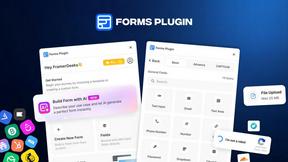
Forms Plugin
The #1 Native Form Builder Plugin for Framer - No Code, No Embeds, No External Platforms.

Product Launch Checklist
A free launch checklist for SaaS, apps, AI tools and more. Every step says why it matters and when you can skip it.

About Skene Alternatives
Skene is an automated Product-Led Growth (PLG) iteration engine, falling into the productivity and growth management category. It integrates directly with your codebase to autonomously optimize user onboarding, activation, and retention loops, eliminating the need for manual growth teams. Users often explore alternatives for several reasons. These can include budget constraints, a need for different pricing models like subscription-based plans, or specific feature requirements not covered by Skene's automated, outcome-based approach. Platform compatibility, such as needing a solution for a different tech stack or a preference for more manual control via traditional dashboards, also drives the search. When evaluating an alternative, key considerations should be its integration method with your existing infrastructure and whether it supports your framework. Assess if the tool's automation level matches your needs, from fully autonomous optimization to manual A/B testing suites. Finally, scrutinize the pricing structure to ensure it aligns with your growth stage and budget.
FAQs about Skene Alternatives
What is Skene?
Skene is a fully automated Product-Led Growth (PLG) iteration engine that autonomously optimizes user onboarding, activation, and retention by analyzing interactions and testing improved flows directly from your codebase.
Who is Skene for?
Skene is designed for indie developers and early-stage startups following a PLG model who want to automate growth processes without building a dedicated growth team.
What are the main features of Skene?
Its core features include automated user flow optimization, seamless codebase integration with read-only access, an outcome-based pricing model, and a real-time analytics dashboard.
Why choose Skene?
Skene eliminates the need for manual growth meetings and dashboards by providing a self-optimizing system that improves activation and retention, allowing developers to focus on building features.